Author name: wCHH

Blog

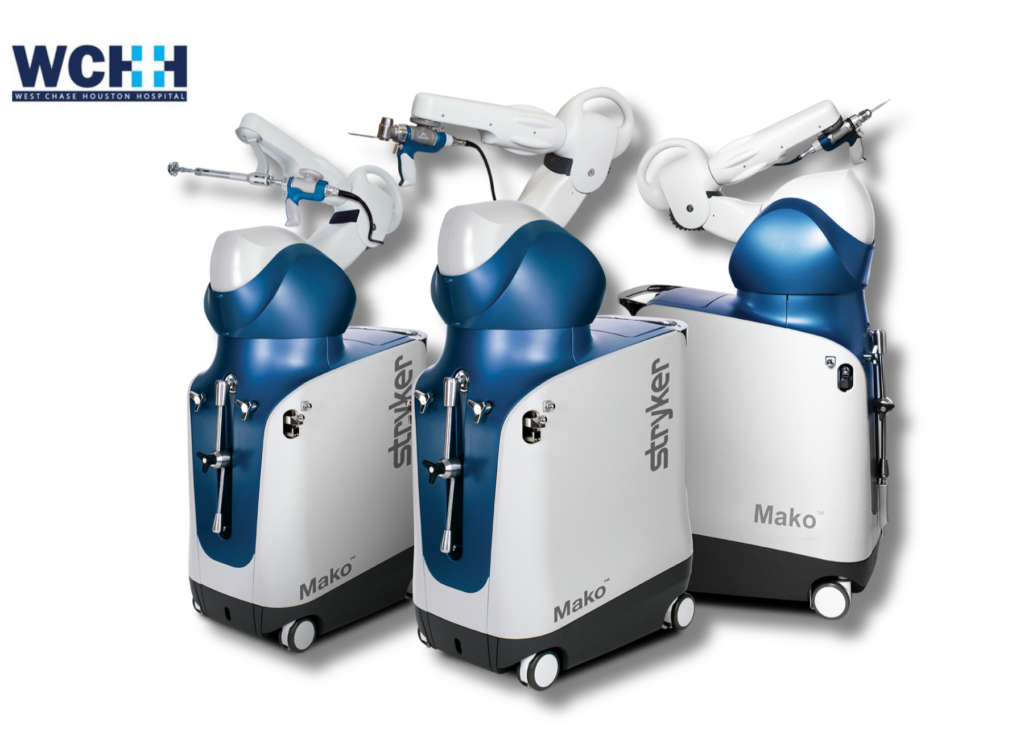
Mako Robotic System: Precision in Knee and Spine Replacements

Mako Robotic System: Precision in Knee and Spine Replacements At WCHH Hospital, the integration of the Mako Robotic System into knee and spine replacement surgeries is a game-changer for precision and patient outcomes. Here’s how: 1. Preoperative Planning with 3D Modeling   Mako technology begins with a detailed CT scan to generate a 3D model of the patient’s anatomy. This allows surgeons to create a customized surgical plan, accounting for every minute anatomical detail before the surgery even begins. Knee Replacements: During a knee replacement, for instance, Mako’s preoperative 3D model helps surgeons understand the exact alignment and orientation of the knee joint. It takes into consideration individual variations like bone size and alignment, which ensures that the surgeon positions the implant with incredible accuracy. Spine Replacements: For spine surgeries, the Mako system helps visualize critical components of the spine, including nerves and blood vessels, so that the surgery is as minimally invasive as possible while maintaining optimal results. 2. Intraoperative Guidance   During the surgery, the Mako system provides real-time feedback, which allows surgeons to make necessary adjustments to their pre-planned surgical pathway. This level of control is not possible with traditional surgery techniques, resulting in: Greater Precision: The robotic arm assists in the exact placement of implants, reducing human error and improving long-term joint function. Reduced Trauma: Since Mako enables surgeons to operate with extreme precision, less healthy tissue and bone are disturbed during surgery. This leads to less pain and quicker recovery times. 3. Enhanced Recovery Experience   Patients undergoing Mako-assisted knee or spine replacement surgery at WCHH Hospital typically experience less pain and a faster recovery period compared to traditional surgeries. The precise implant placement reduces the risk of complications and ensures that patients regain mobility more quickly. Knee Surgery: Patients often report greater range of motion and faster return to physical activities post-surgery. Spine Surgery: Mako-guided procedures in the spine minimize disruption to muscles and tissues, enabling patients to recover faster and return to normal life sooner. 4. Patient-Centered Benefits   Fewer Complications: The precision of the Mako system reduces the risk of complications, such as implant misalignment or improper fit. Longer-lasting Results: Well-positioned implants last longer, meaning patients are less likely to require future corrective surgeries. At WCHH Hospital, we strive to combine state-of-the-art technology with compassionate patient care. Our highly skilled surgeons, backed by the Mako Robotic System, ensure that each patient receives personalized, cutting-edge treatment. Is Mako Right for You?   Whether you’re dealing with knee pain from arthritis or spinal discomfort from a degenerative condition, Mako-assisted surgeries could be the solution you need for a pain-free life. WCHH’s team will help determine if this advanced procedure is the right choice based on your specific condition and health needs. Conclusion   The Mako Robotic System has elevated the standards of knee and spine replacements, offering a new level of precision and customization that significantly improves patient outcomes. WCHH Hospital is proud to lead the way in robotic-assisted surgeries, providing our patients with the most advanced and effective treatments available. If you’re considering knee or spine replacement surgery, trust WCHH for the best in surgical innovation and patient care.

Blog

Gastroenterology Care for Digestive Health

Gastroenterology Care for Digestive Health At West Chase Houston Hospital (WCHH), our gastroenterology department is dedicated to diagnosing and treating a wide range of digestive disorders. Our expert team of board-certified gastroenterologists utilizes state-of-the-art technology to provide precise and effective care. From common conditions like acid reflux and IBS to more complex issues such as Crohn’s disease and liver disorders, we offer personalized treatment plans tailored to each patient’s needs. Our commitment to excellence ensures that you receive the highest standard of care, helping you achieve optimal digestive health and overall well-being. Why Choose WCHH? 1. Expertise and Experience:                  At WCHH, our team of highly skilled gastroenterologists is dedicated to providing top-notch care for all digestive health concerns. With years of experience and advanced training, our specialists are equipped to diagnose and treat a wide range of gastrointestinal conditions with precision and care. 2. Comprehensive Care:                       We offer a full spectrum of gastroenterology services, from routine screenings and preventive care to advanced diagnostic procedures and treatment plans. Whether you’re dealing with chronic conditions like IBS or more complex issues such as Crohn’s disease, WCHH provides a thorough, individualized approach to your digestive health. 3. State-of-the-Art Technology:                         WCHH is committed to utilizing the latest medical technologies and techniques to ensure accurate diagnoses and effective treatments. Our facilities are equipped with cutting-edge diagnostic tools and state-of-the-art equipment, allowing us to deliver the highest standard of care. 4. Patient-Centered Approach:                                    We prioritize your comfort and well-being throughout every stage of your care. Our team takes the time to listen to your concerns, answer your questions, and tailor treatment plans to your specific needs. At WCHH, you’re not just a patient; you’re a valued member of our healthcare community. 5. Holistic Support:                Beyond medical treatment, WCHH offers comprehensive support services, including nutritional counseling, lifestyle advice, and follow-up care. We aim to empower you with the knowledge and resources needed to manage your digestive health effectively and improve your overall quality of life. Benefits of Gastroenterology Care 1. Early Detection and Prevention                                One of the key benefits of gastroenterology care is the early detection of potential issues. Regular screenings and diagnostic tests can identify conditions like colorectal cancer, polyps, and other gastrointestinal disorders at an early stage when they are most treatable. Preventive care helps mitigate risks and can lead to better long-term health outcomes. 2. Accurate Diagnosis                   Gastroenterologists at WCHH use advanced diagnostic tools to provide accurate assessments of your digestive health. Techniques such as endoscopy, colonoscopy, and imaging studies allow for detailed visualization of the gastrointestinal tract, leading to precise diagnoses and targeted treatments. 3. Personalized Treatment Plans                                    Every patient is unique, and so is their treatment plan. At WCHH, we tailor treatment plans to your specific condition and health goals. Whether managing chronic conditions like Crohn’s disease or addressing acute issues, our personalized approach ensures that you receive the most effective and appropriate care for your needs. 4. Improved Quality of Life                        Effective management of gastrointestinal conditions can significantly enhance your quality of life. By addressing symptoms and underlying issues, our care helps reduce discomfort, improve digestive function, and promote overall well-being. Patients often experience better health, increased energy levels, and a more active lifestyle. 5. Comprehensive Support                         Our care extends beyond medical treatment. WCHH offers additional support services, including nutritional counseling and lifestyle advice, to help you manage your condition and improve your overall health. This holistic approach addresses all aspects of your well-being, not just the symptoms. Risks and Considerations 1. Potential Side Effects                      While gastroenterology procedures are generally safe, there may be risks associated with certain diagnostic and therapeutic interventions. For example, endoscopic procedures can have potential side effects such as bleeding or infection. However, these risks are minimal, and our team takes extensive precautions to ensure your safety. 2. Procedure Discomfort                     Some patients may experience temporary discomfort or mild side effects following procedures such as colonoscopies or endoscopies. This discomfort is usually short-lived and can be managed effectively with medications and post-procedure care. 3. Individual Variability                        Each patient’s response to treatment can vary based on factors like the specific condition, overall health, and adherence to the treatment plan. It is important to follow our recommendations closely and communicate openly with your healthcare team to achieve the best outcomes. 4. Cost Considerations                         Depending on your insurance coverage and the nature of the care required, there may be costs associated with gastroenterology services. At WCHH, we work with you to navigate these considerations and provide transparent information about potential costs and payment options. Conclusion Choosing WCHH for your gastroenterology care means opting for a comprehensive, patient-centered approach to digestive health. Our team of expert gastroenterologists is dedicated to providing accurate diagnoses, personalized treatment plans, and holistic support to enhance your quality of life. By prioritizing early detection, effective management, and preventive care, WCHH helps you address gastrointestinal issues with confidence and ease. We are committed to ensuring that your experience is as comfortable and supportive as possible, guiding you every step of the way toward better digestive

Blog

Bariatric Surgery

Bariatric Surgery Obesity is a growing global health crisis, and bariatric surgery offers a proven solution for individuals who struggle with severe obesity and related health issues. At WCHH, we understand that achieving and maintaining a healthy weight can be difficult through diet and exercise alone. Bariatric surgery provides patients with a medically-assisted weight loss solution that improves overall health, longevity, and quality of life. What is Bariatric Surgery? Bariatric surgery refers to a group of surgical procedures designed to help individuals lose weight by altering the digestive system. These procedures typically limit the amount of food the stomach can hold or reduce nutrient absorption, which results in substantial, sustained weight loss. Some common types of bariatric surgery include: Gastric Bypass: This procedure involves creating a small pouch from the stomach and connecting it directly to the small intestine, bypassing a portion of the digestive tract. Sleeve Gastrectomy: This surgery reduces the size of the stomach, limiting food intake while still allowing normal digestion and absorption of nutrients. Adjustable Gastric Banding: A band is placed around the upper part of the stomach, creating a small pouch that restricts food intake. Biliopancreatic Diversion with Duodenal Switch: This is a more complex procedure that reduces the stomach size and alters the normal digestion pathway. Why Should People Consider Bariatric Surgery? Bariatric surgery is not just about losing weight; it is a medical intervention that can have profound effects on a patient’s physical and mental health. At WCHH, we stress the importance of this surgery for individuals who are facing serious health risks due to obesity. Here’s why bariatric surgery should be considered: 1. Improves or Resolves Obesity-Related Conditions Obesity is linked to numerous chronic conditions such as type 2 diabetes, hypertension, heart disease, and sleep apnea. Studies show that bariatric surgery can significantly reduce or even resolve these conditions. For example, many patients with type 2 diabetes experience complete remission after surgery, no longer needing medication. 2. Reduces Risk of Heart Disease and Stroke Excess weight puts added strain on the heart, increasing the risk of heart attacks and strokes. Bariatric surgery reduces the risks associated with heart disease by addressing obesity directly. As patients lose weight, blood pressure, cholesterol levels, and blood sugar stabilize, improving heart health. 3. Enhanced Mobility and Joint Health Carrying excess weight can lead to joint pain and limited mobility, especially in the knees and hips. By reducing body weight, bariatric surgery alleviates joint stress, allowing patients to move more freely and enjoy an active lifestyle without pain. 4. Long-Term Weight Loss Traditional weight-loss methods like dieting and exercising often lead to short-term success but fail to provide lasting results. Bariatric surgery offers long-term weight loss for individuals with a body mass index (BMI) of 35 or higher. Most patients maintain a significant portion of their weight loss for many years after surgery. 5. Improved Mental Health Obesity can negatively affect mental health, leading to conditions such as depression, anxiety, and low self-esteem. Many patients report a noticeable improvement in their emotional well-being after surgery, as the weight loss enhances body image, social interactions, and self-confidence. Who is a Candidate for Bariatric Surgery? Not everyone is a candidate for bariatric surgery. At WCHH, we thoroughly assess each patient’s medical history, weight, and lifestyle before recommending surgery. Generally, candidates are individuals with: A BMI of 40 or higher A BMI of 35 or higher with one or more obesity-related health conditions, such as type 2 diabetes or hypertension Difficulty achieving a healthy weight through diet and exercise alone Why Choose WCHH for Bariatric Surgery? At WCHH, we pride ourselves on offering compassionate, patient-centered care. Our team of experienced bariatric surgeons and healthcare professionals work closely with each patient to create a personalized weight loss plan that includes pre-operative preparation and post-operative care. We use the latest surgical techniques and minimally invasive procedures to ensure patient safety and optimal outcomes. Furthermore, our comprehensive follow-up programs help patients adjust to their new lifestyle, ensuring long-term success. Conclusion Bariatric surgery is more than just a weight-loss procedure; it’s a pathway to a healthier, more active life. By reducing the risks associated with obesity-related conditions, improving mobility, and enhancing mental well-being, bariatric surgery can transform lives. If you are struggling with obesity and its related health problems, consider bariatric surgery at WCHH. Our team of experts is here to guide you through every step of your journey towards a healthier future.

Scroll to Top